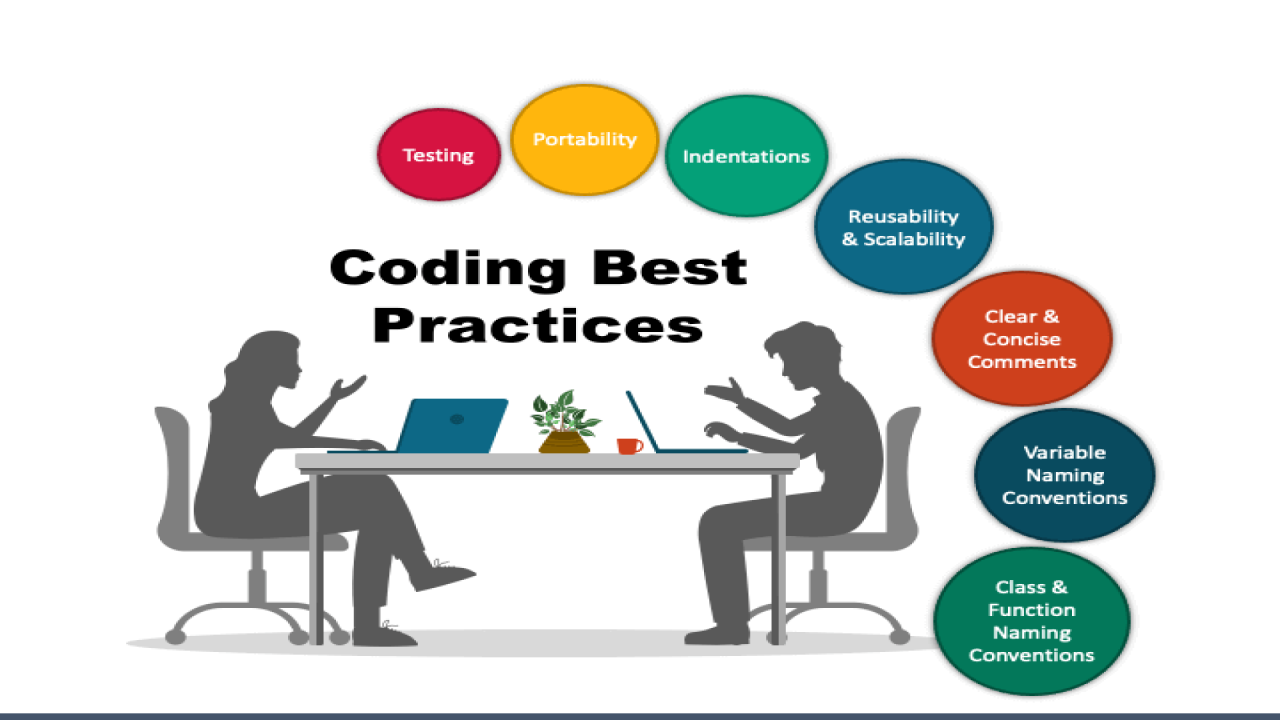
When you first begin writing software, the immediate goal is often simply to make something that works. However, as projects grow or become part of a larger system, code that only “works” can quickly become fragile, hard to read, and difficult to maintain. Programming best practices are informal but widely accepted guidelines that help developers write code that is clean, reliable, and maintainable, even as requirements evolve and teams grow.
At its heart, programming is both an engineering discipline and a craft. Best practices are less about strict rules and more about cultivating habits that make code easier to understand and less likely to produce bugs. These practices encompass everything from clear naming conventions and consistent indentation to modular design and thorough documentation. The differences between a project that grows sustainably and one that becomes a tangled mess often trace back to how well these practices were followed early on.
Code Readability and Simplicity
One of the most vital principles of best practices is readability. Code isn’t just written for machines — it’s read and modified by other developers (and often by your future self). Choosing meaningful names for variables and functions goes a long way toward clarity. For example, a function named calculateAnnualRevenue tells a reader much more than a function named calcRev.
Consistent formatting, such as indentation and spacing, also makes a huge difference. Many languages provide style guidelines (like PEP8 for Python), and many editors help enforce them automatically. As a rule of thumb, avoid overly complex logic in a single function and break code into modular, purpose-specific units.
Naming Conventions and Documentation
Clear naming isn’t just cosmetic — it’s a bridge between what the code does and what the reader expects it to do. Good practice suggests naming variables and functions in a way that reflects their purpose, using consistent patterns (e.g., CamelCase or snake_case depending on language norms).
Alongside names, documentation helps other developers (and your future self) understand why something was done a certain way. Comments should explain intent, not restate what the code does. A good comment might describe a complex algorithm’s reasoning rather than simply repeating it in prose.
Modular and Reusable Design
Another key aspect of best practices is designing code so that it’s modular. This means dividing programs into smaller, independent components or functions that each do one thing well. Modular design facilitates reuse, reduces duplication of logic, and simplifies testing. When one part of the system needs changes, modular code can often be updated without affecting unrelated parts.
Modularity also ties directly into reusability. Functions or modules that solve one problem can often be used in other contexts if they’re designed with clean interfaces and minimal dependencies. This approach accelerates development and reduces bugs because tested components are reused rather than rewritten from scratch.
Testing and Refactoring
Best practices also encourage writing tests alongside code. Tests help confirm that code behaves as expected and provide a safety net for future changes. When tests are well-written and comprehensive, developers can refactor or enhance code with confidence. Refactoring — the process of reorganizing existing code to improve structure without changing behavior — is itself a best practice. It keeps codebases healthy and adaptable.
In addition, regular code reviews by peers can catch inconsistencies and promote shared understanding of project standards. Whether using automated tools or human review, inspecting code through multiple lenses improves overall quality and educates team members on evolving best practices.
Conclusion
In short, programming best practices are about writing code that stands the test of time. They help prevent common pitfalls, make collaborative development smoother, and ultimately reduce bugs and technical debt. By focusing on readability, modular design, meaningful names, documentation, and testing, developers can build software that not only works but works well.
References
1. Coding best practices – Wikipedia article on best practices in programming
2. Awesome Programming Best Practices for Beginners – GitHub resource licensed Public Domain
3. Coding Best Practices slides and notes – informal guide with key conventions